
The core
Renens / Lausanne (Switzerland)
Foundations in AI, programming, systems thinking and problem solving. Your personal project takes shape here. This is the substance of the program.


Program
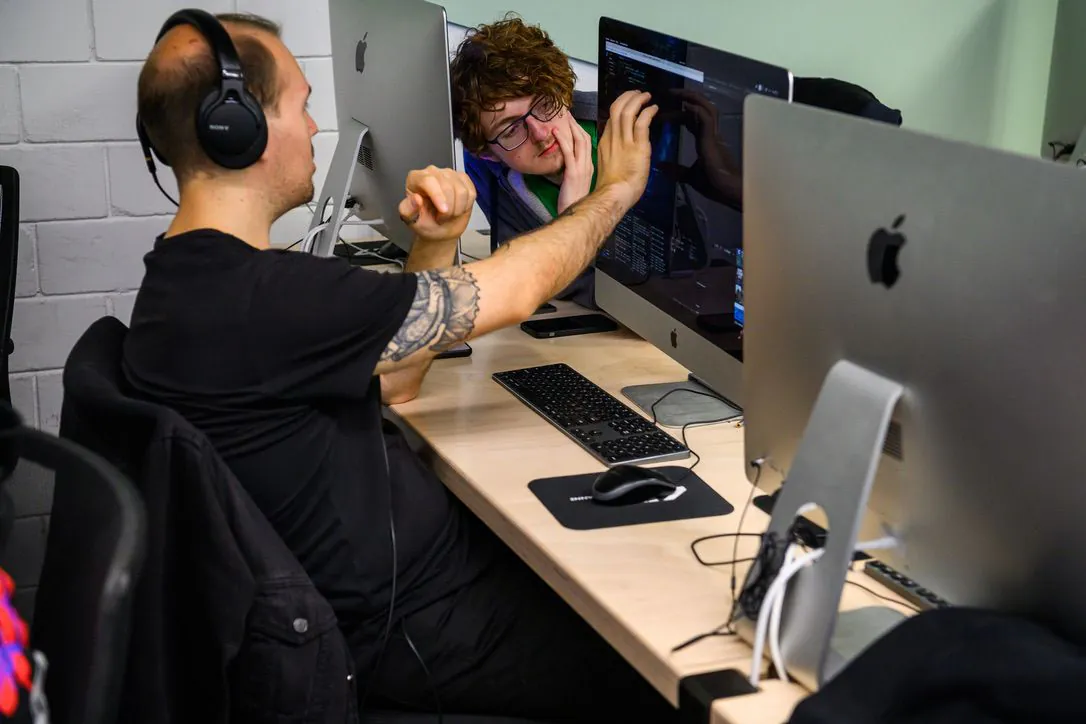
Less theory, more reality. You don't learn about humanoids. You learn with them.
A few focused lectures, but mostly projects and peer learning. No passive learning. No memorization. You learn through projects, experimentation and collaboration, built on a learning model inspired by 42 Lausanne. Every challenge maps to a real-world problem; every solution is tested in a realistic environment.
The real challenge is integration, not technology.
The core
Foundations in AI, programming, systems thinking and problem solving. Your personal project takes shape here. This is the substance of the program.
Capstone · ~1 week
A short immersion discovering real, next-generation humanoid platforms through partnerships with the Unitree Shanghai University Institute and the System Integration Lab: machines still in early development, to understand what's coming next.
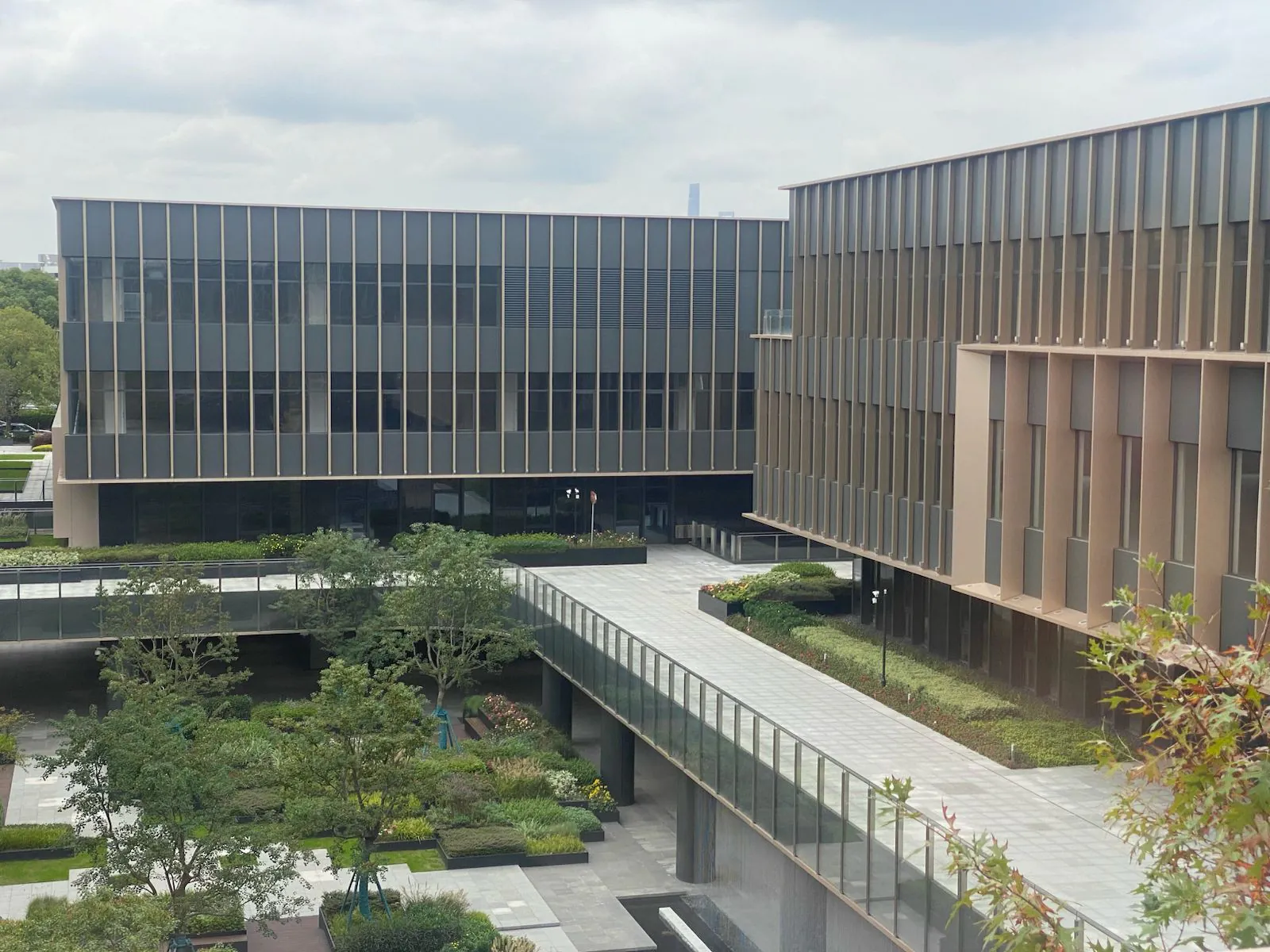
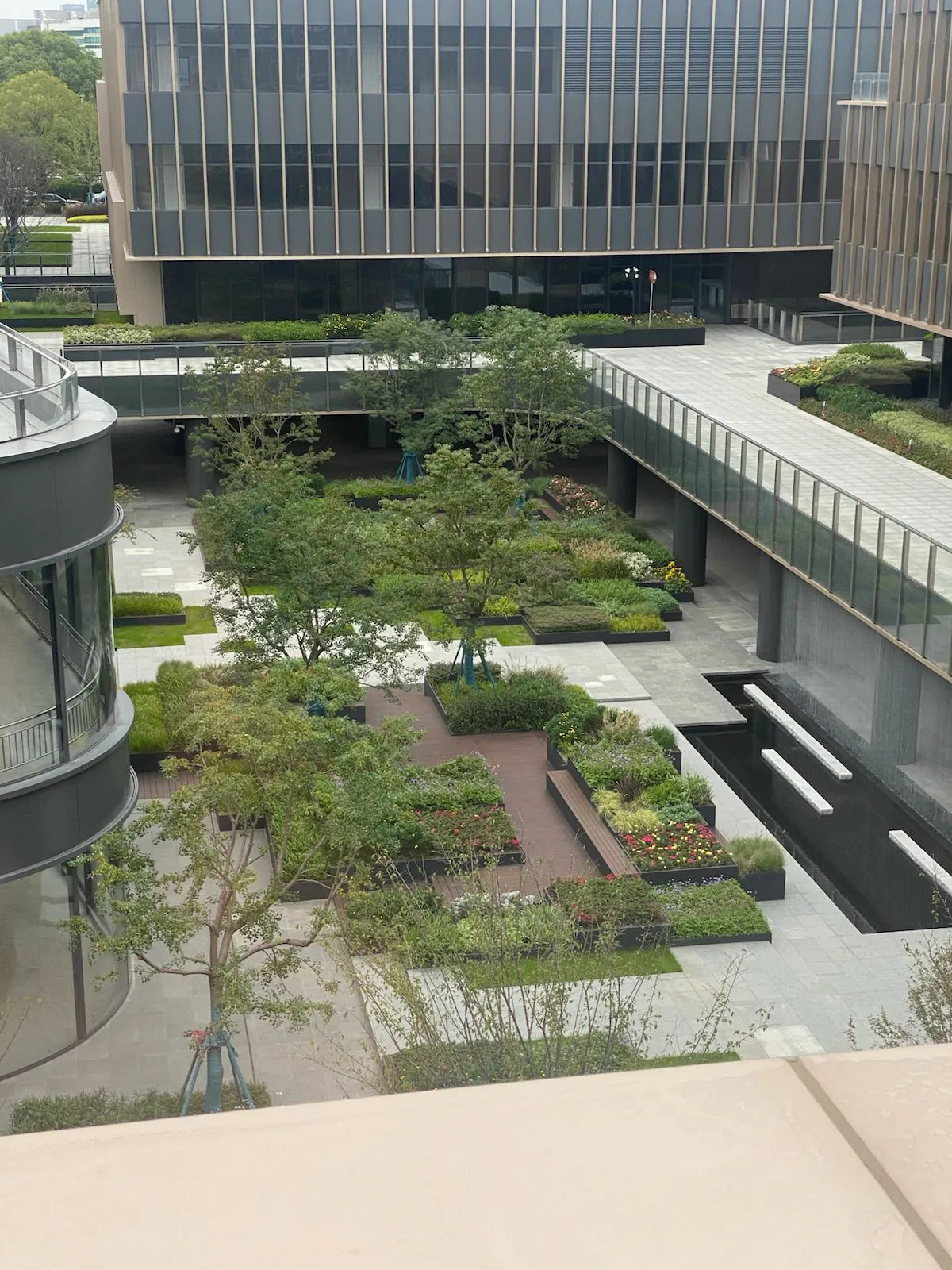
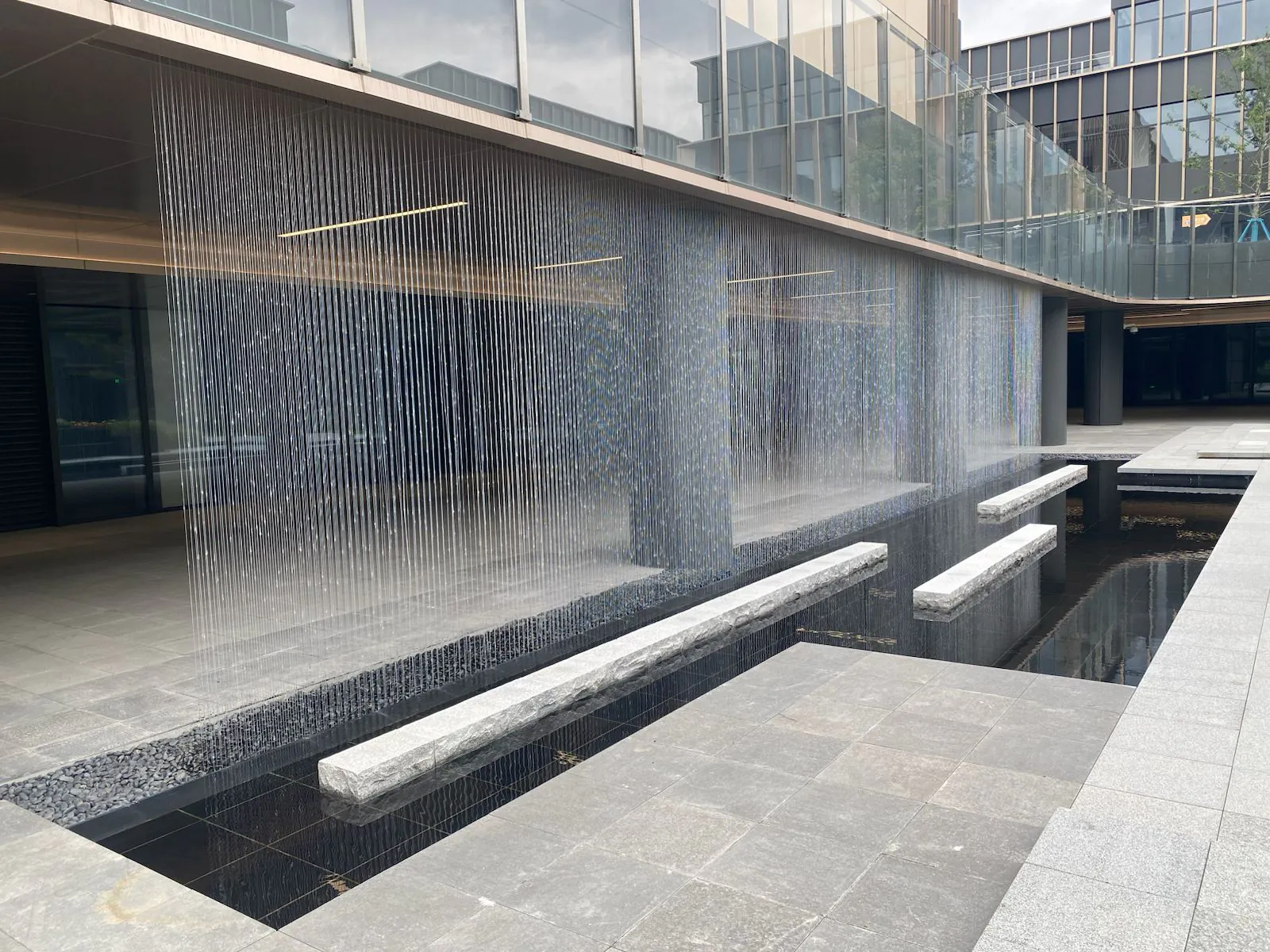
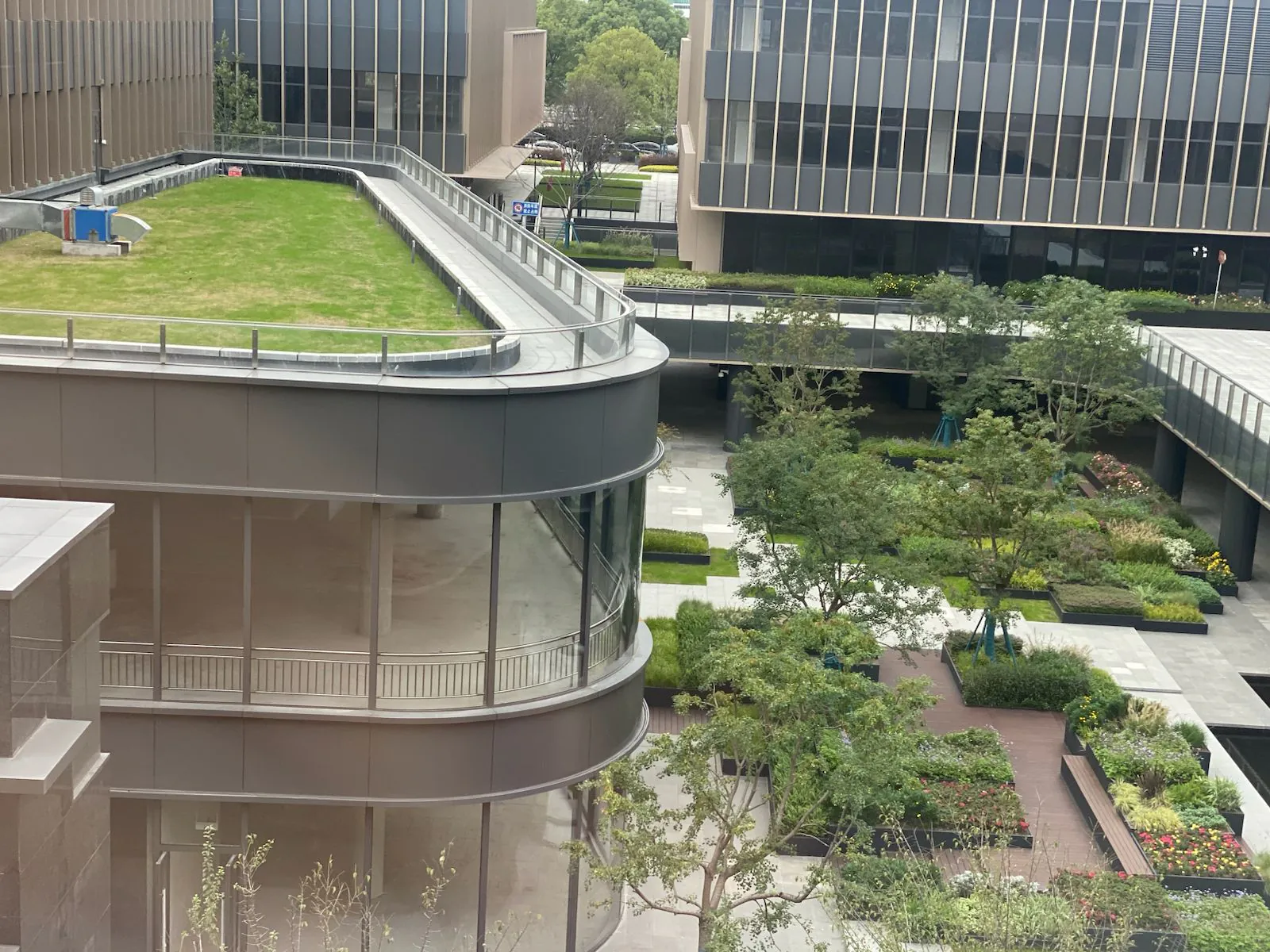
Humanoid robotics isn't just automation. It's trust, collaboration, ethics, acceptance and human experience. Asinov trains leaders who understand both technology and people.
Two ways in
Everyone completes the same Asinov program: a course, then a project, about six months each on average. It's flexible and self-paced, so the timeline flexes with the time you can commit. Track A goes straight in; Track B builds programming foundations at 42 Lausanne first.
Both routes converge on the same Asinov program, about 12 months in all: a course then a project, roughly six months each on average. It's flexible and self-paced, so your exact timeline depends on the time you can commit. Track B simply starts with the 42 foundations stage first.
Which route suits you is decided together after the interview. There's no automatic sorting. See the FAQ.
Tuition
Two stages, priced separately. The 42 foundations stage is free; the Asinov program depends on how it's funded.
42 Lausanne · Track B
Programming foundations
CHF 0
42's project-based pedagogy is tuition-free. Only Track B includes this preparatory stage.
Asinov · Both tracks
Course + project · 12 months
CHF 20,000
Self-funded
CHF 0
Funded or sponsored by your employer
Income-based scholarships are available. Tuition shouldn't be what stops you. Ask us about support →
You don't learn about humanoids. You learn with them.
The first cohort starts 12 October 2026.